
Inicio > Humanidades > Filosofía > Ética y filosofía moral > Addresses To Cardinal Newman, With His Replies, 1879-81
Addresses To Cardinal Newman, With His Replies, 1879-81

Addresses To Cardinal Newman, With His Replies, 1879-81

John Henry Newman

42,16 €
IVA incluido
Disponible
Editorial:
Kessinger Publishing
Año de edición:
2007
Materia
Ética y filosofía moral
ISBN:
9781432542139
42,16 €
IVA incluido
Disponible

Selecciona una librería:

  • Librería Samer Atenea

  • Kálamo Books
  • Librería Elías (Asturias)
  • Librería Kolima (Madrid)
  • Librería Proteo (Málaga)

This book is a collection of letters and addresses that were exchanged between John Henry Newman, a prominent theologian and cardinal in the Roman Catholic Church, and various individuals during the years 1879 to 1881. The book includes Newman’s replies to these letters, providing insight into his thoughts and beliefs on a range of topics related to religion and spirituality. The letters and addresses cover a variety of subjects, including the nature of faith, the role of the Church in society, and the relationship between religion and science. Overall, this book offers a unique perspective on the life and work of one of the most influential figures in the history of the Roman Catholic Church.This scarce antiquarian book is a facsimile reprint of the old original and may contain some imperfections such as library marks and notations. Because we believe this work is culturally important, we have made it available as part of our commitment for protecting, preserving, and promoting the world’s literature in affordable, high quality, modern editions, that are true to their original work.
Artículos relacionados

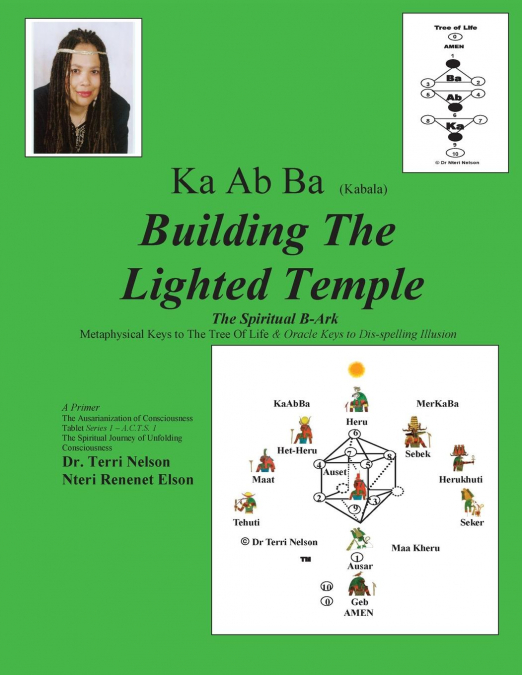
  • Ka Ab Ba Building The Lighted Temple
    Dr Terri R. Nelson / Dr Terri RNelson
    The book KaAbBa Building The Lighted Temple/Metaphysical Keys to the Tree of Life draws a circle that is inclusive of the Afrikan origin of the Ancient Kemetic/Egyptian wisdom. It reveals the undeniable root and link of Ancient Africa to all the religious systems that would develop worldwide. This book is explosive in its power to convey the meaning of KaAbBa, the Medu Neter  (...
    Disponible

    45,14 €

  • Technoethics and the Evolving Knowledge Society
    Rocci Luppicini
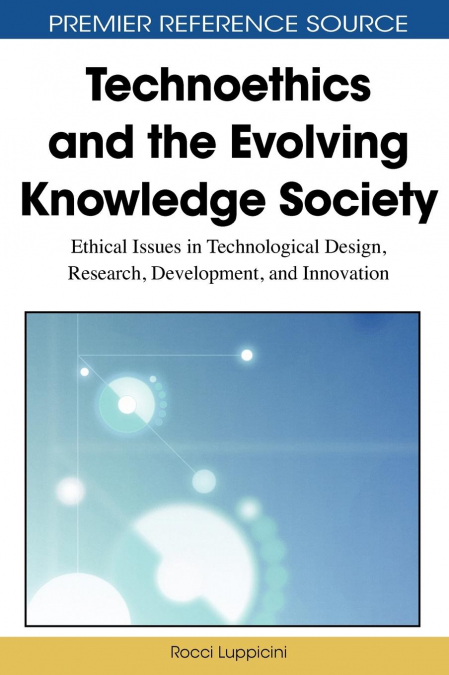
    Recently, there has been a major push to rediscover the ethical dimension of technology across the sciences, social sciences, and humanities. Technoethics and the Evolving Knowledge Society: Ethical Issues in Technological Design, Research, Development, and Innovation examines human processes and practices connected to technology embedded within social, political, and moral sph...
  • Kant
    Immanuel Kant
    Kant’s Groundwork of the Metaphysics of Morals is one of the most important works in modern moral philosophy. It belongs beside Plato, Aristotle, Machiavelli, and Hobbes. Here Kant sets out to articulate and defend the Categorical Imperative - the fundamental principle that underlies moral reasoning - and to lay the foundation for a comprehensive account of justice and human vi...
  • On the Duty of Civil Disobedience
    HENRY DAVID THOREAU
    Civil Disobedience argues that citizens should not permit their governments to overrule their consciences, and that they have a duty to avoid allowing their acquiescence to enable the government to make them the agents of injustice. Thoreau was motivated in part by his disgust with slavery and the Mexican-American War, but the sentiments he expresses here are just as pertinent ...
  • Beyond Good and Evil
    Friedrich Nietzsche
    Nietzsche, though primarily a philosopher, wrote widely on art, philology, history, religion, tragedy, culture, and science.  In 1886, at the height of his powers, he published Beyond Good and Evil.  Here he examines much of the best of human thought--dogmatic philosophy, Judeo-Christian morality, science and democracy – and finds it lacking.  Rejecting “slave-morality” he pres...
  • Beyond Good and Evil
    Friedrich Nietzsche
    Nietzsche, though primarily a philosopher, wrote widely on art, philology, history, religion, tragedy, culture, and science.  In 1886, at the height of his powers, he published Beyond Good and Evil.  Here he examines much of the best of human thought--dogmatic philosophy, Judeo-Christian morality, science and democracy – and finds it lacking.  Rejecting “slave-morality” he pres...
    Disponible

    10,94 €

Otros libros del autor

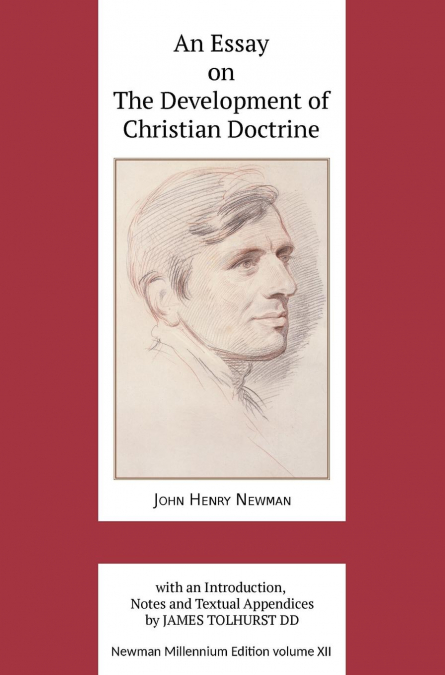
  • An Essay on the Development of Christian Doctrine
    John Henry Newman
    Newman’s Essay on the Development of Christian Doctrine is one of the most ground-breaking and influential theological works since the Reformation. Written in the lead up to Newman’s conversion from the Anglican to the Catholic Church, it traces how early Christianity developed into Catholicism and has been described as doing for theology what Darwin did for biology. It is freq...
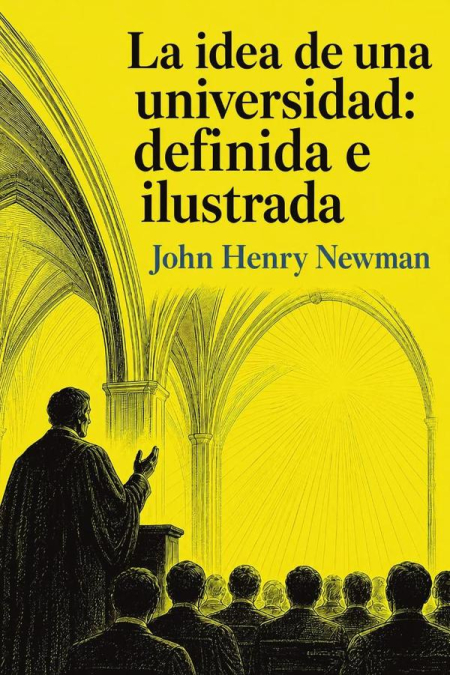
  • La idea de una universidad, definida e ilustrada
    John Henry Newman
    ¿La educación vale solo por lo que nos ayuda a ganar, o también por lo que nos enseña a comprender?En La idea de una universidad: definida e ilustrada, John Henry Newman defiende de manera perdurable la búsqueda del conocimiento por sí mismo. A partir de discursos vinculados con la fundación de la Universidad Católica de Irlanda en la década de 1850, se pregunta qué deberían en...
  • La idea de una universidad, definida e ilustrada: Letra Grande
    John Henry Newman
    ¿La educación vale solo por lo que nos ayuda a ganar, o también por lo que nos enseña a comprender?En La idea de una universidad: definida e ilustrada, John Henry Newman defiende de manera perdurable la búsqueda del conocimiento por sí mismo. A partir de discursos vinculados con la fundación de la Universidad Católica de Irlanda en la década de 1850, se pregunta qué deberían en...
  • An Essay on the Development of Christian Doctrine
    John Henry Newman
    When does a change in belief deepen a tradition—and when does it betray it? John Henry Newman makes this question central to understanding Christianity across the centuries.In An Essay on the Development of Christian Doctrine, Newman argues that the Church’s teachings can unfold over time without abandoning their original truth. Moving from the apostolic age through councils, c...
  • An Essay on the Development of Christian Doctrine: Large Print
    John Henry Newman
    When does a change in belief deepen a tradition—and when does it betray it? John Henry Newman makes this question central to understanding Christianity across the centuries.In An Essay on the Development of Christian Doctrine, Newman argues that the Church’s teachings can unfold over time without abandoning their original truth. Moving from the apostolic age through councils, c...
  • Apologia Pro Vita Sua
    John Henry Newman
    What does it cost to follow a conviction others distrust? John Henry Newman answers by laying the history of his religious beliefs before his readers.Written in response to attacks on his honesty, Apologia Pro Vita Sua is both a spiritual autobiography and a defense of personal integrity. Newman retraces his early religious formation, his life within Anglicanism, and the intell...