

 Librería Samer Atenea
 Kálamo Books
 Librería Elías (Asturias)
 Librería Kolima (Madrid)
 Librería Proteo (Málaga)
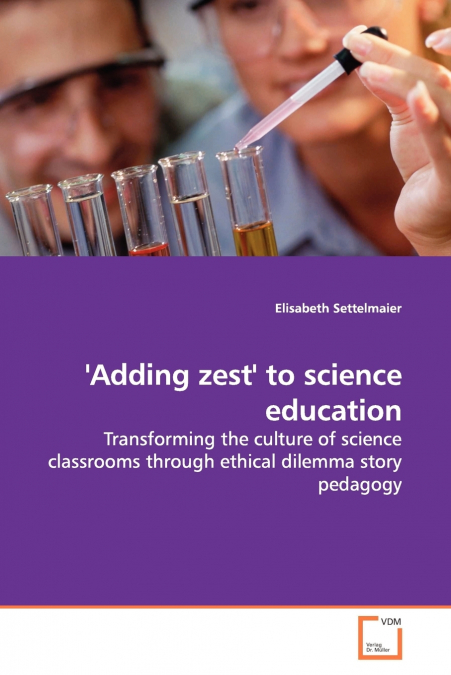
It seems a habit of our time to lament about thestate of the world and simultaneously profess thatthere is nothing we, as individuals, can do about it.In this auto/ethnographic study, Elisabeth challengesthis view on the basis that science teachers inparticular seem in a unique position to raisestudents’ awareness of problematic issues in relationto the world around them by providing them withnecessary knowledge. Sound knowledge however, doesnot equate with positive attitude: providing studentswith factual knowledge alone might thus beinsufficient for enabling them to participate in thepublic discourse on making the world a ’betterplace’. Given the pervading influence of science onour daily lives, this discourse must include a focuson science, scientific research and its uses.Traditionally science has often been taught withoutaddressing ethical questions. Elisabeth argues thatthe inclusion of a discourse on ethical issues intoscience classrooms might open an avenue for scienceeducators to offer students opportunities forpractising engagement as future decision makers bylearning to reflect critically and collaboratively ontheir attitudes, beliefs and values.





