
Inicio > Humanidades > Filosofía > Ética y filosofía moral > About The Contemplative Life Or The Fourth Book Of The Treatise Concerning Virtues
About The Contemplative Life Or The Fourth Book Of The Treatise Concerning Virtues

About The Contemplative Life Or The Fourth Book Of The Treatise Concerning Virtues


27,20 €
IVA incluido
Disponible
Editorial:
Alpha Editions
Año de edición:
2020
Materia
Ética y filosofía moral
ISBN:
9789354212710
27,20 €
IVA incluido
Disponible

Selecciona una librería:

  • Librería Samer Atenea
  • Librería Aciertas (Toledo)
  • Kálamo Books
  • Librería Perelló (Valencia)
  • Librería Elías (Asturias)
  • Donde los libros
  • Librería Kolima (Madrid)
  • Librería Proteo (Málaga)

A rare, hard-won voice on inward discipline and prayer. Stillness sharpens the soul’s focus. About The Contemplative Life or The Fourth Book of the Treatise Concerning Virtues by C. Conybeare, F. presents a compact medieval religious treatise that guides the reader through christian virtues exploration via clear instruction and contemplative exempla. Its prose is direct and unsentimental, favouring moral clarity over rhetorical display; the book functions as both a contemplative life guide for practice and as a reflective companion for private study. The text addresses the small daily regimes that shape character and offers a steady horizon of thought for monastic spirituality topics, drawing on motifs familiar to early church writings and showing desert fathers influence in tone and aim. Suitable for devotional readers collection and for anyone dipping into medieval christian literature, it rewards attentive reading rather than passive perusal.Long recognised among christian spiritual classics and as part of medieval christian literature, the treatise serves both as a patristic studies compendium for scholarly inquiry and as an accessible devotional readers collection for private devotion. Its measured temper and ethical thrust place it amid the transmission lines of early ascetic thought, a useful point of reference for those tracing how patristic teaching informed later monastic practice. It speaks plainly, rewarding casual readers who seek spiritual contemplation themes and serving as a theology students resource when studied in context; its compact argument also lends itself to seminar discussion, small-group reading and reflective study. Collectors of classic literature will value its austere authority and historical resonance, while clergy and lay readers alike may find its steady counsel of use in framing prayerful routine. Republished by Alpha Editions in a careful modern edition, this volume preserves the spirit of the original while making it effortless to enjoy today - a heritage title prepared for readers and collectors alike.
Artículos relacionados

  • Ka Ab Ba Building The Lighted Temple
    Dr Terri R. Nelson / Dr Terri RNelson
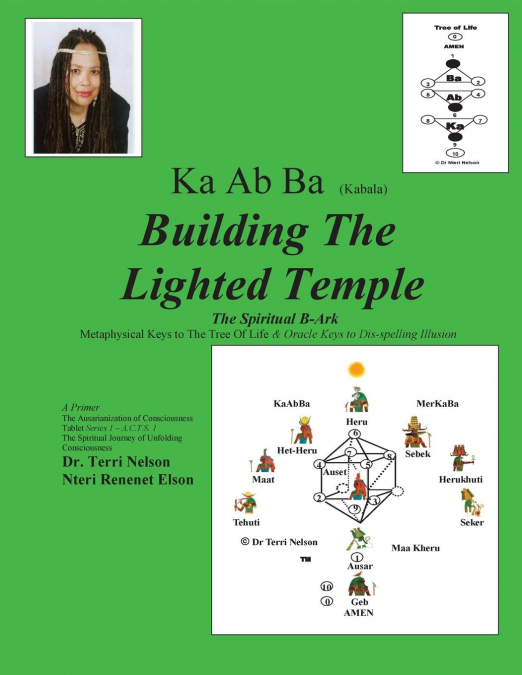
    The book KaAbBa Building The Lighted Temple/Metaphysical Keys to the Tree of Life draws a circle that is inclusive of the Afrikan origin of the Ancient Kemetic/Egyptian wisdom. It reveals the undeniable root and link of Ancient Africa to all the religious systems that would develop worldwide. This book is explosive in its power to convey the meaning of KaAbBa, the Medu Neter  (...
    Disponible

    37,41 €

  • Technoethics and the Evolving Knowledge Society
    Rocci Luppicini
    Recently, there has been a major push to rediscover the ethical dimension of technology across the sciences, social sciences, and humanities. Technoethics and the Evolving Knowledge Society: Ethical Issues in Technological Design, Research, Development, and Innovation examines human processes and practices connected to technology embedded within social, political, and moral sph...
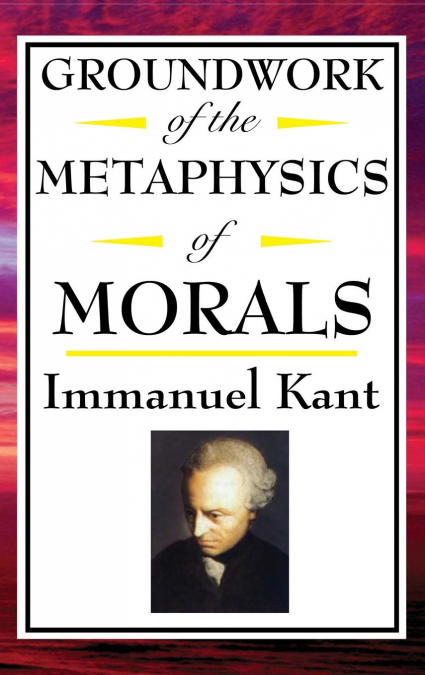
  • Kant
    Immanuel Kant
    Kant’s Groundwork of the Metaphysics of Morals is one of the most important works in modern moral philosophy. It belongs beside Plato, Aristotle, Machiavelli, and Hobbes. Here Kant sets out to articulate and defend the Categorical Imperative - the fundamental principle that underlies moral reasoning - and to lay the foundation for a comprehensive account of justice and human vi...
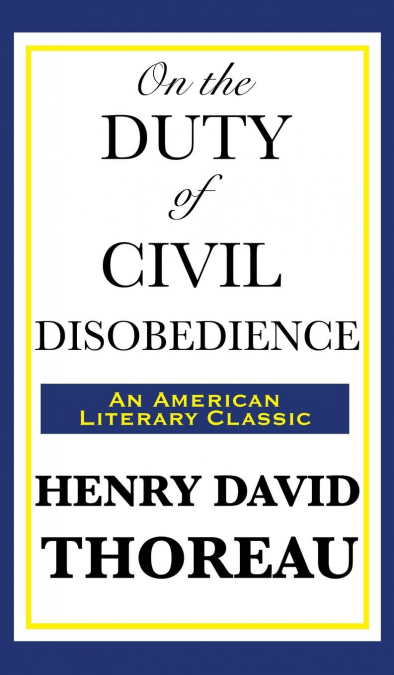
  • On the Duty of Civil Disobedience
    HENRY DAVID THOREAU
    Civil Disobedience argues that citizens should not permit their governments to overrule their consciences, and that they have a duty to avoid allowing their acquiescence to enable the government to make them the agents of injustice. Thoreau was motivated in part by his disgust with slavery and the Mexican-American War, but the sentiments he expresses here are just as pertinent ...
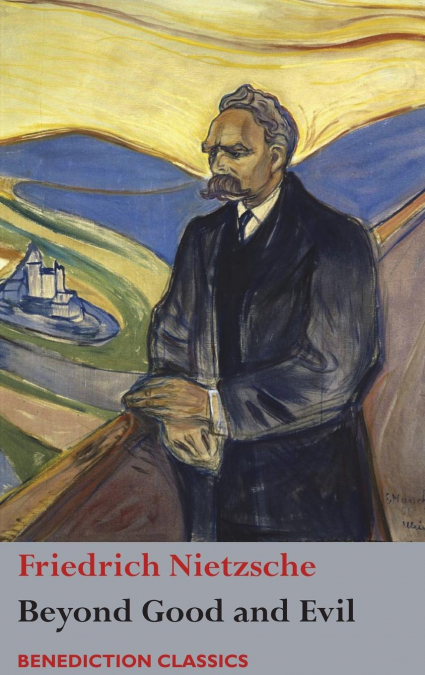
  • Beyond Good and Evil
    Friedrich Nietzsche
    Nietzsche, though primarily a philosopher, wrote widely on art, philology, history, religion, tragedy, culture, and science.  In 1886, at the height of his powers, he published Beyond Good and Evil.  Here he examines much of the best of human thought--dogmatic philosophy, Judeo-Christian morality, science and democracy – and finds it lacking.  Rejecting “slave-morality” he pres...
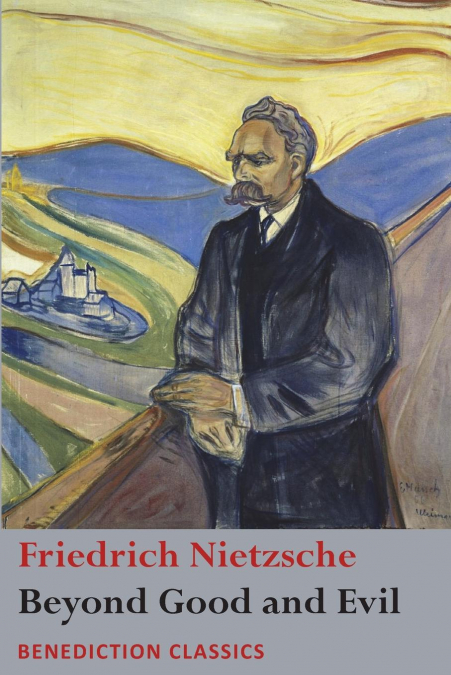
  • Beyond Good and Evil
    Friedrich Nietzsche
    Nietzsche, though primarily a philosopher, wrote widely on art, philology, history, religion, tragedy, culture, and science.  In 1886, at the height of his powers, he published Beyond Good and Evil.  Here he examines much of the best of human thought--dogmatic philosophy, Judeo-Christian morality, science and democracy – and finds it lacking.  Rejecting “slave-morality” he pres...
    Disponible

    9,99 €