

 Librería Samer Atenea
 Kálamo Books
 Librería Elías (Asturias)
 Librería Kolima (Madrid)
 Librería Proteo (Málaga)
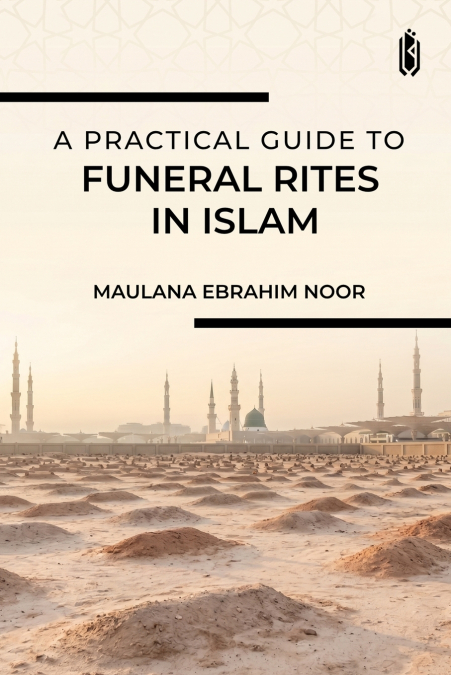
A Practical Guide to Funeral Rites in Islām presents a systematic and accessible study of the religious duties, juristic rulings, and practical responsibilities surrounding death and burial in the Islamic tradition.Drawing upon the Qurʾān, Prophetic Sunnah, Ḥadīth literature, and works of fiqh, Maulana Ebrahim Noor follows the sequence of responsibilities that arise before death, immediately after death, during preparation of the deceased, and through Janāzah Ṣalāh and burial. The work combines practical instruction with juristic discussion, explaining such matters as talqīn, the position of the dying person, ghusl of the deceased, preparation of the kafan, shrouding, transportation, burial, supplication, cemetery visitation, mourning, and ʿiddah.Particular attention is given to distinguishing practices supported by transmitted evidence from customs for which the author finds no established basis. Questions of dignity, restraint, lawful procedure, respect for the deceased, avoidance of unnecessary expense, and timely burial recur throughout the work.The volume also addresses the interaction between Islamic funeral requirements and the legal processes encountered in the United Kingdom. Sections discuss death certification, registration, coroners, post-mortem examinations, burial documentation, local authorities, funeral committees, hospitals, and chaplaincy. Practical appendices provide a statutory declaration, an Islamic will template, a testator’s finance and asset identifier, and selected Qurʾānic passages.A substantial section on ʿiddah examines the waiting periods associated with death and divorce, together with related questions of residence, maintenance, pregnancy, mourning, and necessity.Designed for Muslim families, students of Islamic law, imams, chaplains, funeral committees, community workers, and institutional collections, this volume serves both as a practical reference and as a structured presentation of funeral jurisprudence. It situates contemporary practical questions within the inherited framework of Islamic legal reasoning, Prophetic guidance, communal responsibility, and the dignified treatment of the deceased.The manuscript itself describes its use of compilations of Ḥadīth and fiqh and identifies the practical purpose of enabling burial to proceed correctly and in accordance with Sharīʿah.





