
Inicio > Humanidades > Filosofía > A Nova Retórica e o Ideal Humanista
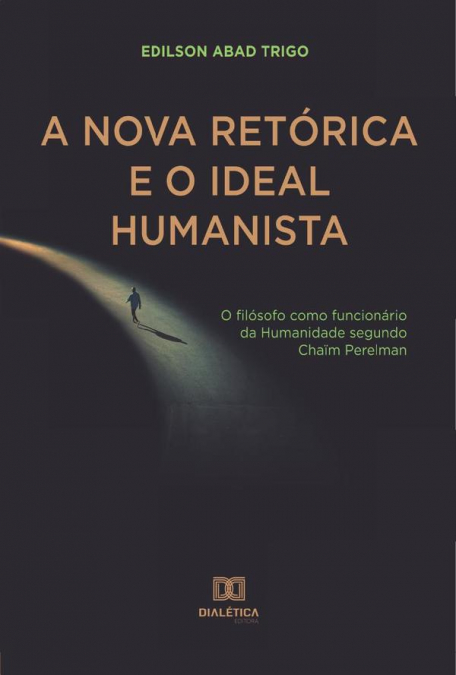
A Nova Retórica e o Ideal Humanista

A Nova Retórica e o Ideal Humanista

Edilson Abad Trigo

17,63 €
IVA incluido
Disponible
Editorial:
Editora Dialetica
Año de edición:
2021
Materia
Filosofía
ISBN:
9786558777182
17,63 €
IVA incluido
Disponible

Selecciona una librería:

  • Librería Samer Atenea
  • Librería Aciertas (Toledo)
  • Kálamo Books
  • Librería Perelló (Valencia)
  • Librería Elías (Asturias)
  • Donde los libros
  • Librería Kolima (Madrid)
  • Librería Proteo (Málaga)

Este estudo se propõe a investigar a concepção do ideal humanista presente na obra de Chaïm Perelman. Ideal que só seria alcançado ao se superar um tipo de racionalidade que teria tolhido a possibilidade de uma razão prática – fator indispensável para que se realize esse ideal tradicional da filosofia: o de alcançar a comunhão e o entendimento. Ou seja, a criação do acordo baseado na razão prática, que Perelman chama de auditório universal, poderia ser realizada com a responsabilidade e o engajamento, baseado não em resoluções absolutas, calcado em uma só concepção de realidade, mas na consideração das pluralidades de opiniões – como age um juiz da common law, isto é, baseado no instrumental (organon) argumentativo presente na Retórica e na Tópica desenvolvidas por Aristóteles. Por isso, caberia ao filósofo propor valores e normas práticas tão universais como os do Imperativo Categórico de Kant, mas sem a distinção feita por ele entre o sujeito e o objeto, a teoria e a prática, característicos desse autor.Assim, de acordo com Perelman, o filósofo tem por objetivo propor resoluções às questões práticas universais, calcadas na constante discussão e testes dessas resoluções feitos pela sociedade. Por isso mesmo, o filósofo teria função normativa, isto é, qualificar os temas segundo uma hierarquia de valores. Segundo esse raciocínio, o filósofo sabe da precariedade dessas resoluções, já que num contexto histórico diferente quando outros se depararem com a mesma questão esses terão possivelmente resoluções deferentes; apesar disso, ele sabe que tem que se posicionar, ao contrário do cientista que pode recusar uma questão. Isso porque em questões práticas não tomar uma posição já seria se posicionar. Assim, o filósofo seria um funcionário da humanidade. 10

Artículos relacionados

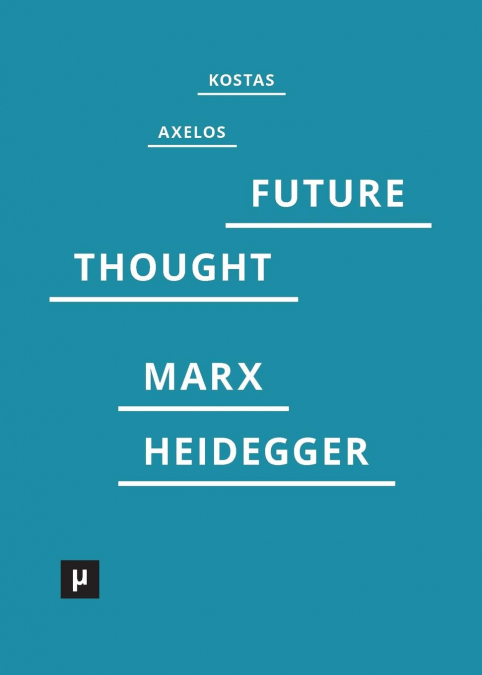
  • Introduction to a Future Way of Thought
    Kostas Axelos / Kenneth Mills
    'Technologists only change the world in various ways in generalized indifference; the point is to think the world and interpret the changes in its unfathomability, to perceive and experience the difference binding being to the nothing.'Anticipating the age of planetary technology Kostas Axelos, a Greek-French philosopher, approaches the technological question in this book, firs...
    Disponible

    18,58 €

  • Capsule
    John Kenneth Press
    Join John and Adam as they wander the mean streets of Japan on a psychedelic fueled search for identity. While fun for the average reader, this book could also serve as a philosphy textbook because of its ordered exploration of sources of identity. Ultimately this trip through nationalist attacks, sex, and drugs, will take you to a better understanding of yourself and your pl...
    Disponible

    11,51 €

  • If you look at it long enough...
    Paul Hallam
    Originally written for an academic journal, If you look at it long enough... is primarily a personal account of Paul Hallam’s recollections of “self-abuse” through the consumption of porn over several decades. Challenging the familiar form of an “academic essay,” this autobiographical narrative raises several questions in relation to our contemporary morals related to sex in ge...
    Disponible

    11,30 €

  • The Teachers of Gurdjieff
    Rafael Lafort / Rafael Lefort
    When The Teachers of Gurdjieff was first published more than 50 years ago, it made a considerable stir. George Ivanovich Gurdjieff had been one of the most famous mystics in the West in the first half of the 20th century - a teaching master who had many fashionable and influential pupils. He had a striking appearance and manner of teaching, and his teaching proved to be very in...
    Disponible

    20,45 €

  • Manifesto of the Communist Party
    Karl Marx
    The Communist Manifesto was first published on February 21, and it is one of the world’s most influential political tracts. Commissioned by the Communist League and written by communist theorists Karl Marx and Friedrich Engels, it laid out the League’s purposes and program. The Manifesto suggested a course of action for a proletarian (working class) revolution to overthrow the ...
  • The Art of Literature
    Arthur Schopenhauer
    Collected here are eight short essays, On Authorship, On Style, On the Study of Latin, On Men of Learning, On Thinking for Ones Self, On Criticism, On Reputation, On Genius, by the world renowned philosopher Arthur Achopenhauer. ...