 Librería Samer Atenea
 Kálamo Books
 Librería Elías (Asturias)
 Librería Kolima (Madrid)
 Librería Proteo (Málaga)
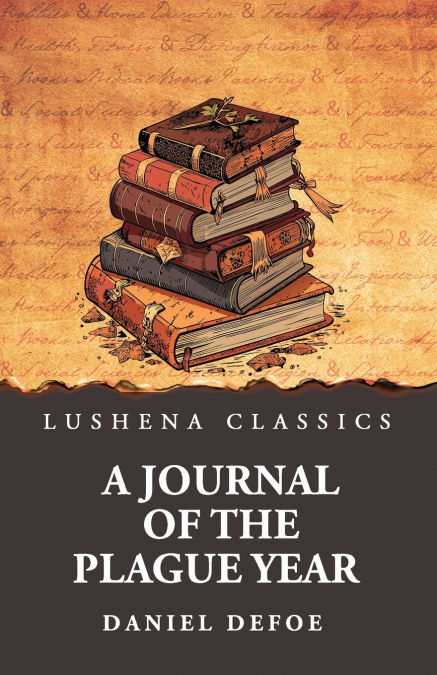
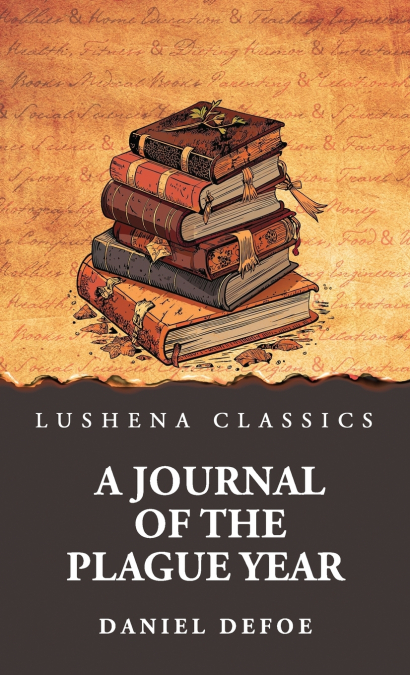
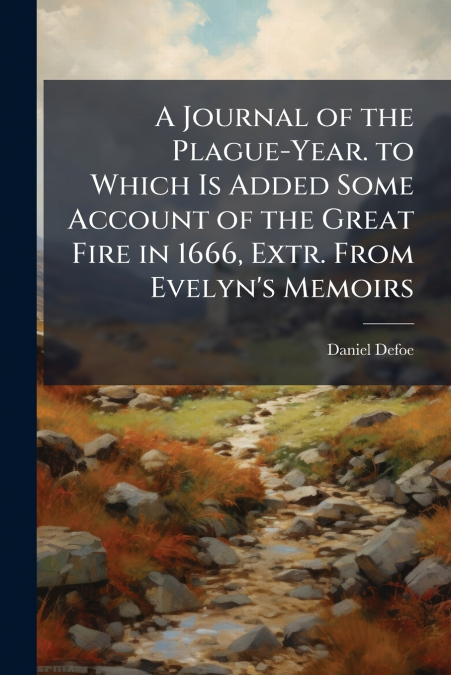
'A Journal of the Plague Year' is a compelling fictionalized account of the bubonic plague’s devastating impact on London in 1665. Written by Daniel Defoe, the novel vividly portrays the social disruption, fear, and human suffering during this calamitous period. Told through the eyes of a London saddler, H.F., the journal chronicles the daily lives of individuals grappling with the epidemic, the measures taken to contain the disease, and the profound psychological effects on the population. Included in this edition is an excerpt from Evelyn’s Memoirs, which recounts the Great Fire of London in 1666, a significant historical event that followed closely on the heels of the plague. Defoe’s meticulous detail and realistic narrative style make 'A Journal of the Plague Year' a powerful and enduring work of historical fiction, offering readers a glimpse into one of London’s darkest chapters.This work has been selected by scholars as being culturally important, and is part of the knowledge base of civilization as we know it. This work was reproduced from the original artifact, and remains as true to the original work as possible. Therefore, you will see the original copyright references, library stamps (as most of these works have been housed in our most important libraries around the world), and other notations in the work.This work is in the public domain in the United States of America, and possibly other nations. Within the United States, you may freely copy and distribute this work, as no entity (individual or corporate) has a copyright on the body of the work.As a reproduction of a historical artifact, this work may contain missing or blurred pages, poor pictures, errant marks, etc. Scholars believe, and we concur, that this work is important enough to be preserved, reproduced, and made generally available to the public. We appreciate your support of the preservation process, and thank you for being an important part of keeping this knowledge alive and relevant.