

 Librería Samer Atenea
 Kálamo Books
 Librería Elías (Asturias)
 Librería Kolima (Madrid)
 Librería Proteo (Málaga)
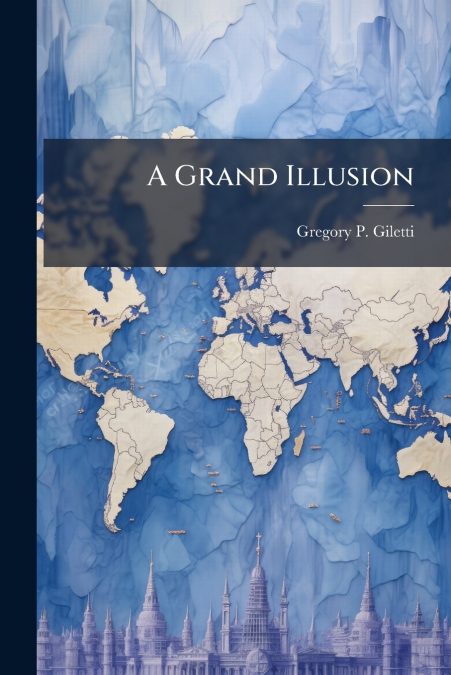
The effectiveness and efficiency of the UN’s management of its peace operations has been under intense scrutiny since the early 1990s. US policy on multilateral peace operations, Presidential Decision Directive 25 (PDD 25), was partly intended to help the UN improve its operational capabilities. Despite implementing almost all of the reform proposals contained within PDD 25, the UN remained unable to effectively and efficiently managing its peace operations. In particular, shortcomings persisted in the areas of mission planning, command and control arrangements, and force sustainment. Two reasons explain why the UN has been unable to achieve real reform and lasting change. First, the fundamentally political nature of the UN both is responsible for and tends to exacerbate its shortcomings. Second, conceptual gridlock has paralyzed the UN, rendering it incapable of formulating a coherent strategy and doctrine to govern its operations. Based on these findings, it is clear that the UN’s management of its peace operations is about as efficient as can be expected. Consequently, the world community should no longer look to the UN to play a leading role in the international security system. That role should be reserved for states, particularly great powers like the US. Scholarly research was the principle methodology used in this paper. Secondary sources were augmented by primary sources, interviews, and personal experience.This work has been selected by scholars as being culturally important, and is part of the knowledge base of civilization as we know it. This work was reproduced from the original artifact, and remains as true to the original work as possible. Therefore, you will see the original copyright references, library stamps (as most of these works have been housed in our most important libraries around the world), and other notations in the work.This work is in the public domain in the United States of America, and possibly other nations. Within the United States, you may freely copy and distribute this work, as no entity (individual or corporate) has a copyright on the body of the work.As a reproduction of a historical artifact, this work may contain missing or blurred pages, poor pictures, errant marks, etc. Scholars believe, and we concur, that this work is important enough to be preserved, reproduced, and made generally available to the public. We appreciate your support of the preservation process, and thank you for being an important part of keeping this knowledge alive and relevant.





