 Librería Samer Atenea
 Kálamo Books
 Librería Elías (Asturias)
 Librería Kolima (Madrid)
 Librería Proteo (Málaga)
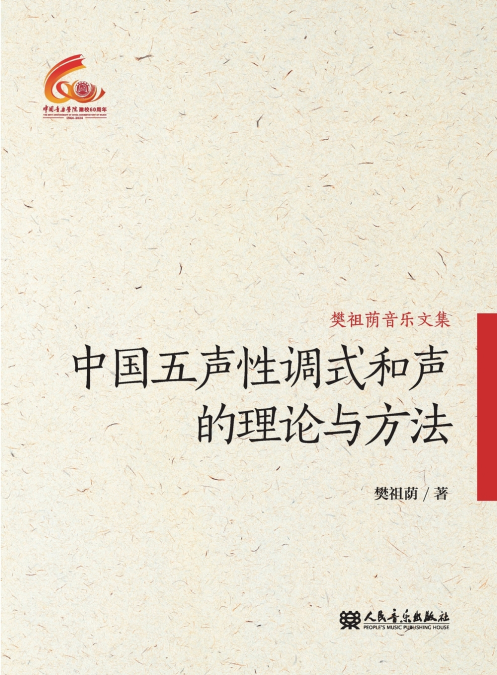
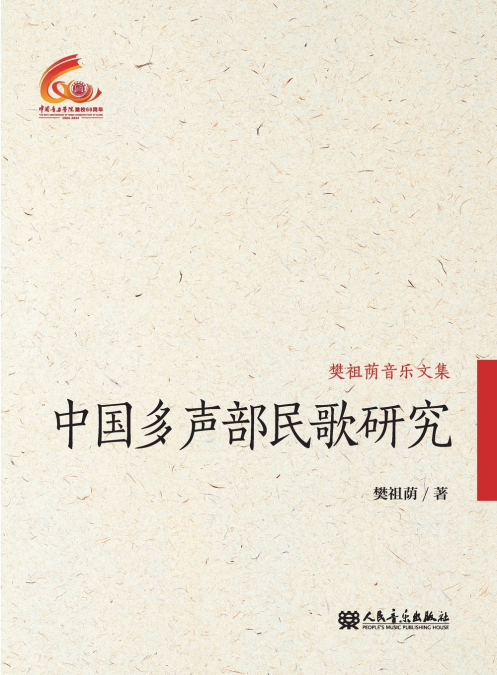
Breaking the bias that 'China has no polyphony,' constructing an authoritative theoretical system for traditional Chinese polyphonic music.打破'中国无复调'的偏见,构建中国传统多声部音乐的权威理论体系。This book is an authoritative theoretical work that systematically studies traditional Chinese polyphonic music. For a long time, influenced by Western classical music theory, academia believed that traditional Chinese music lacked polyphonic forms. Breaking this bias and starting from the perspective of ethnomusicology, this book comprehensively outlines the widespread polyphonic phenomena in traditional Chinese music (including polyphonic folk songs of ethnic minorities, folk instrumental ensembles, opera, and narrative singing). From the height of a 'general introduction,' it analyzes in detail the morphological characteristics, generative logic, harmonic and polyphonic techniques (such as heterophony and imitative polyphony) of traditional Chinese polyphonic music, and deeply explores the cultural context and social functions behind it. The book constructs a theoretical system of polyphonic music with distinct Chinese indigenous characteristics, serving as a heavyweight academic achievement that provides a comprehensive understanding of Chinese polyphonic music and fills a gap in this field.本书是系统研究中国传统多声部音乐的权威理论著作。长期以来,受西方古典音乐理论影响,学界曾认为中国传统音乐缺乏多声部形态。本书打破这一偏见,从民族音乐学的视角出发,全面梳理了中国传统音乐(包括少数民族多声部民歌、民间器乐合奏、戏曲与说唱音乐等)中广泛存在的多声部现象。全书从'总论'的高度,详细剖析了中国传统多声部音乐的形态特征、生成逻辑、和声与复调技法(如支声复调、对比复调),并深入探讨了其背后的文化语境与社会功能。本书构建了具有中国本土特色的多声部音乐理论体系,是了解中国多声部音乐全貌、填补该领域空白的重量级学术成果。