

 Librería Samer Atenea
 Kálamo Books
 Librería Elías (Asturias)
 Librería Kolima (Madrid)
 Librería Proteo (Málaga)
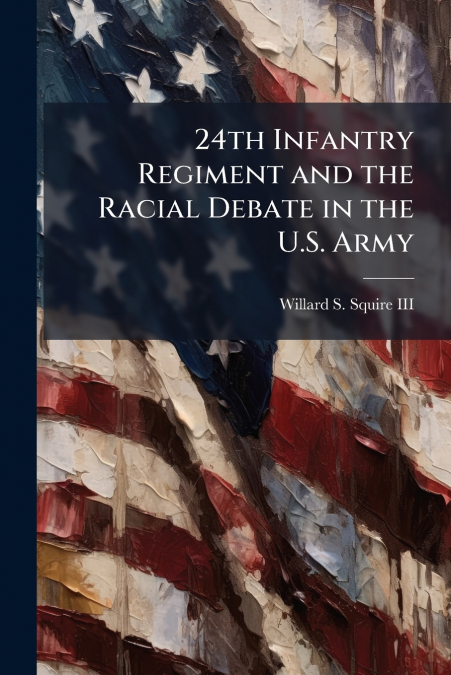
The debate over the service of black Americans in the U.S. Army centered around three questions: Could they serve? Would they be allowed to serve? And, if allowed, in what capacity would they serve? This is similar to modern debates about the service of women and homosexuals in the military. The valuable service of black Americans during the Civil War, coupled with Radical Republican policies ended this debate in 1866 with the formation of six regiments composed of black soldiers led by white officers. In 1870, the Army Reduction Act consolidated those regiments into four, the 9th and 10th Cavalry Regiments, and the 24th and 25th Infantry Regiments. Both the size of the Army and the exemplary conduct of the black regiments stilled the debate for nearly fifty years, as the four black regiments were used in many of the same missions and roles as their white counterparts. Then, on the eve of American participation in World War I, the racial debate reignited. After the war, the four black regiments were all reduced in strength and never fully used again. This study follows the 24th Infantry from formation in 1866, through the early 1920s in order to determine what caused the reignition of the debate.This work has been selected by scholars as being culturally important, and is part of the knowledge base of civilization as we know it. This work was reproduced from the original artifact, and remains as true to the original work as possible. Therefore, you will see the original copyright references, library stamps (as most of these works have been housed in our most important libraries around the world), and other notations in the work.This work is in the public domain in the United States of America, and possibly other nations. Within the United States, you may freely copy and distribute this work, as no entity (individual or corporate) has a copyright on the body of the work.As a reproduction of a historical artifact, this work may contain missing or blurred pages, poor pictures, errant marks, etc. Scholars believe, and we concur, that this work is important enough to be preserved, reproduced, and made generally available to the public. We appreciate your support of the preservation process, and thank you for being an important part of keeping this knowledge alive and relevant.





