LIBROS DEL AUTOR: rebecca woodbury ph d m ed

45 resultados para LIBROS DEL AUTOR: rebecca woodbury ph d m ed

rebecca woodbury ph d m ed Eliminar filtro Quitar filtros
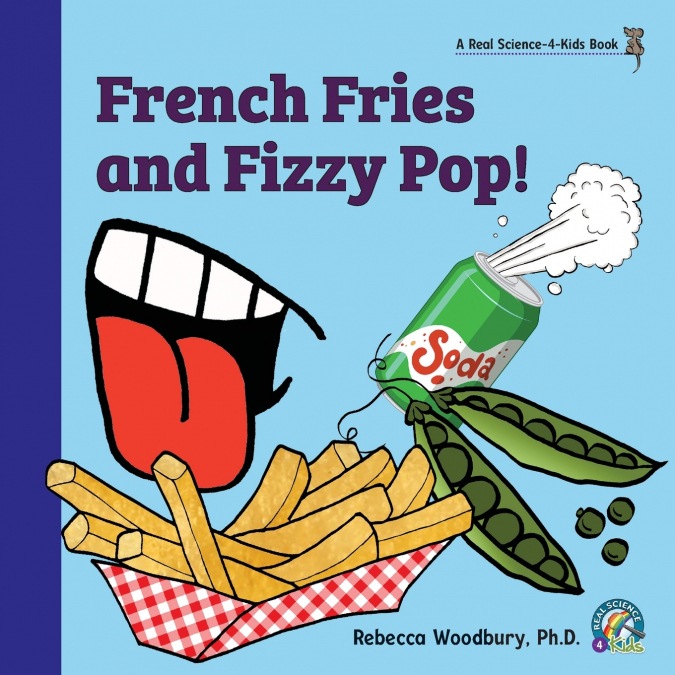
  • French Fries and Fizzy Pop!
    Rebecca Woodbury Ph.D. / Rebecca Woodbury Ph.D. M.Ed.
    In the French Fries and Fizzy Pop! leveled reader, fundamental science facts in chemistry are explained through simply written text and colorful, fun illustrations and photographs. Children discover that atoms are like little building blocks that make up everything we touch, taste, smell, and see. Atoms link together to make molecules. Molecules cause different foods to have di...
    Disponible

    12,20 €

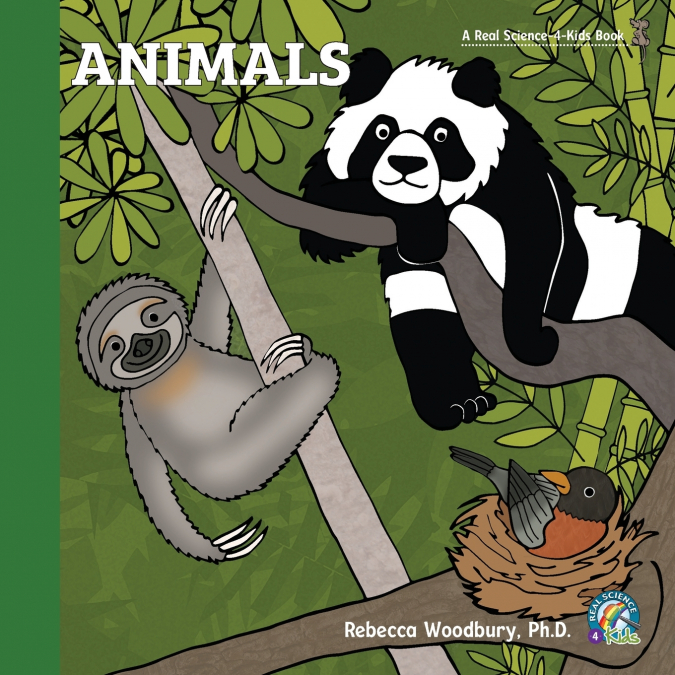
  • Animals
    Rebecca Woodbury Ph.D. / Rebecca Woodbury Ph.D. M.Ed.
    In the leveled reader Animals, fundamental science concepts in biology are explained through simply written text and colorful illustrations and photographs. Young readers discover that there are many different kinds of animals that look different from each other. Animals have different characteristics such as fur, scales, or wings, and have different numbers of legs. Animals li...
    Disponible

    12,20 €

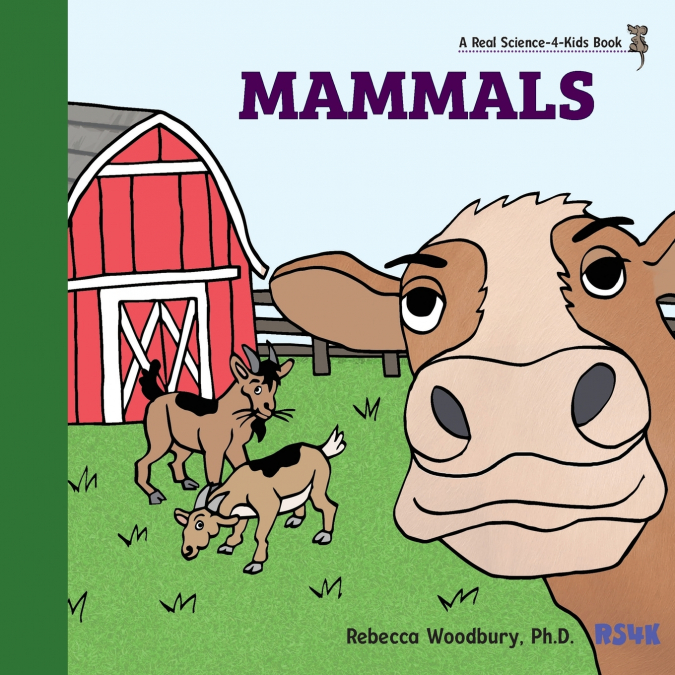
  • Mammals
    Rebecca Woodbury Ph.D. / Rebecca Woodbury Ph.D. M.Ed.
    A mammal is an animal that breathes air, feeds milk to its babies, and has fur for at least part of its life. Most mammals give birth to live babies. Only a few lay eggs. Some mammals, like cows and goats, are herbivores and eat only grass and other plants. Others, like cats, are carnivores and eat only meat. Some mammals, like whales, live only in the ocean, and others, like s...
    Disponible

    12,20 €

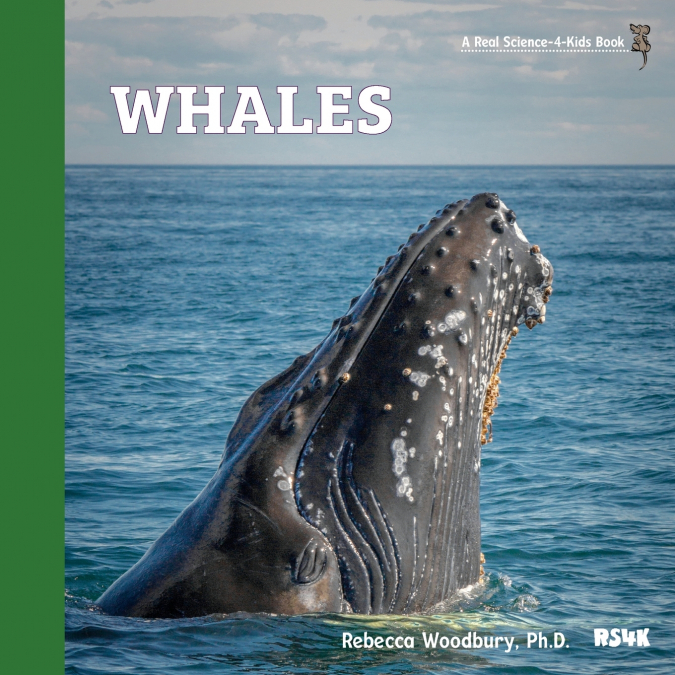
  • Whales
    Rebecca Woodbury Ph.D. / Rebecca Woodbury Ph.D. M.Ed.
    Whales are animals that live only in water. Most whales live in oceans, but a few live in rivers. Whales are mammals: animals that breathe air, feed milk to their babies, and have fur for at least part of their life. Most mammals, including whales, give birth to live babies. Whales are in a group of mammals called cetaceans. Cetaceans spend all their time in water,  take in air...
    Disponible

    12,44 €

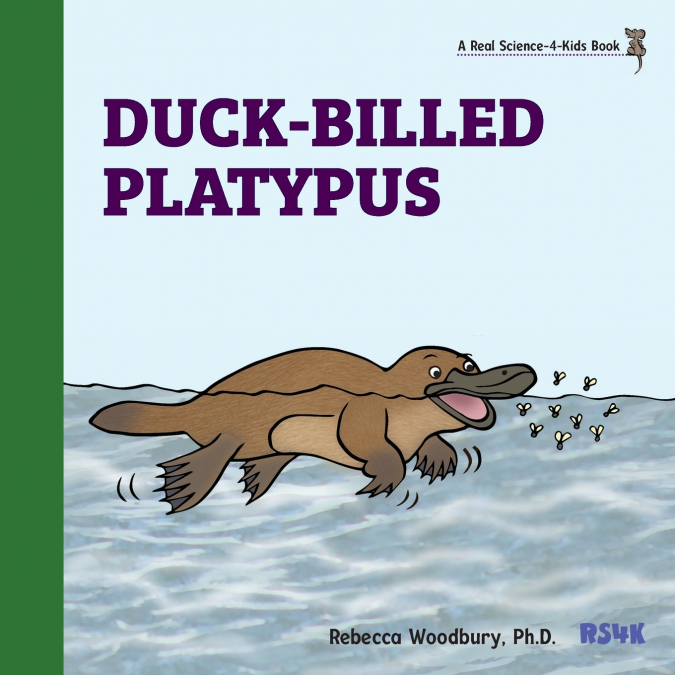
  • Duck-billed Platypus
    M.Ed. Rebecca Woodbury Ph.D.
    A duck-billed platypus is an animal found only in Australia. It has a bill like a duck, lays eggs like a duck, and has webbed feet, but it has a flat tail and fur like a beaver. This unusual animal belongs to a group of mammals called monotremes. A mammal is an animal that breathes air, feeds milk to its babies, and has fur for at least part of its life. Most mammals give birth...
    Disponible

    12,20 €

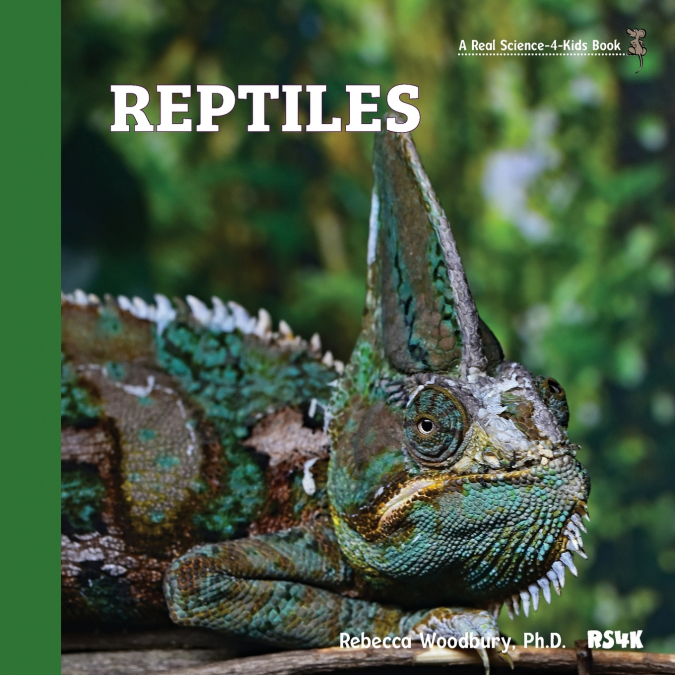
  • Reptiles
    Rebecca Woodbury Ph.D. / Rebecca Woodbury Ph.D. M.Ed.
    Reptiles are a group of animals that includes turtles, snakes, crocodiles, alligators, and lizards. These animals share some things in common. They have skin that is covered in scales; they keep their body at the right temperature by lying in the sun to stay warm or in the shade to cool off. Most reptiles lay eggs that have soft leathery shells, while others give birth to live ...
    Disponible

    12,20 €

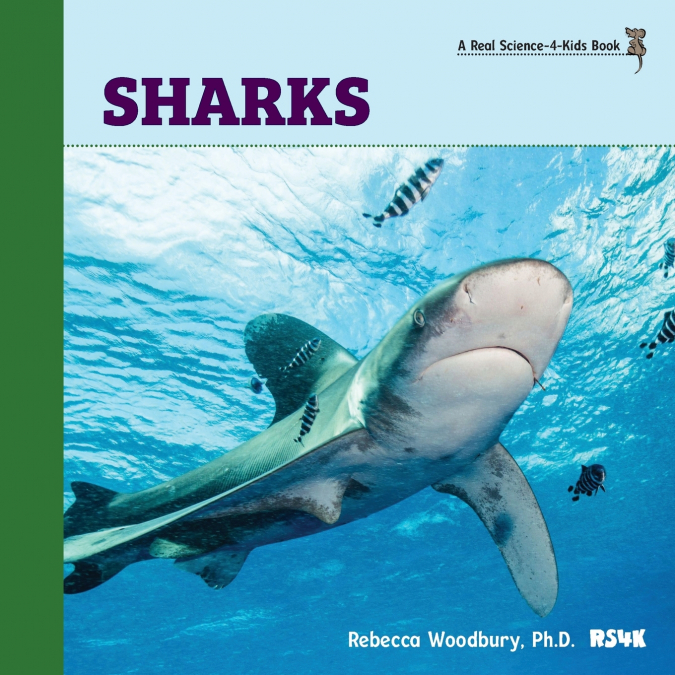
  • Sharks
    Rebecca Woodbury Ph.D. / Rebecca Woodbury Ph.D. M.Ed.
    Sharks are a type of fish, animals that swim in water. There are many different types of sharks, from very small to huge. Most sharks live in salty ocean water but some live in fresh water in rivers. A shark has a skeleton made of cartilage, which is lighter than bone and makes the shark able to float. The ability of cartilage to bend makes it easier for a shark to swing its ta...
    Disponible

    12,20 €

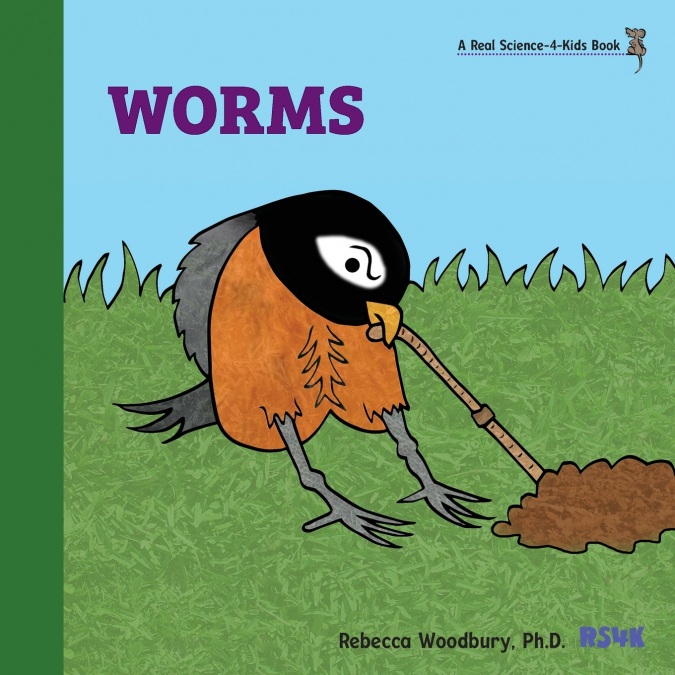
  • Worms
    Rebecca Woodbury Ph.D. / Rebecca Woodbury Ph.D. M.Ed.
    Worms are animals that have long bodies and no legs. They live on land, in the ocean, and sometimes in other animals. There are three groups of worms: segmented worms, roundworms, and flatworms. A roundworm is shaped like a long round tube, while flatworms have flat bodies and are sometimes brightly colored with different patterns. Segmented worms look like they are made of man...
    Disponible

    12,20 €

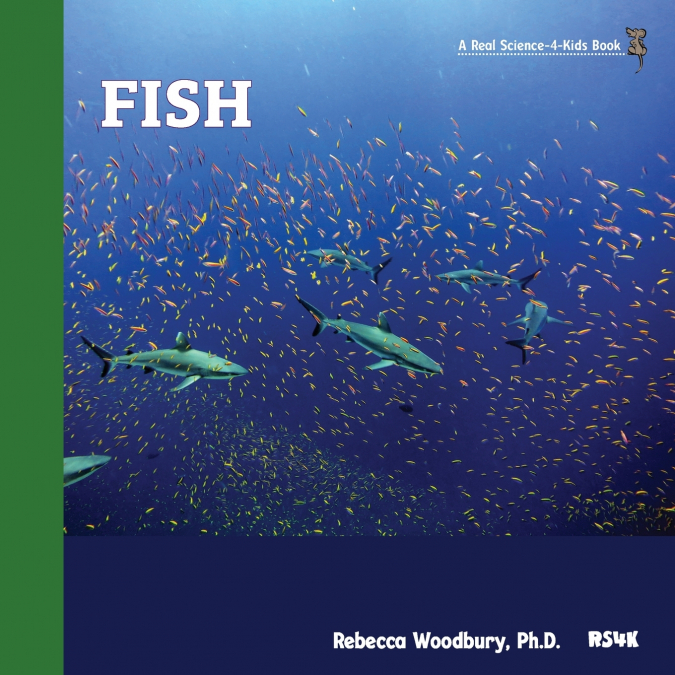
  • Fish
    Rebecca Woodbury Ph.D. / Rebecca Woodbury Ph.D. M.Ed.
    Fish are animals that swim in water and are found in lakes, rivers, streams, and oceans. There are three types of fish: bony fish, cartilage fish, and fish without jaws. Bony fish, such as bass, are the most common and are named for their skeletons which are made of bones. Bony fish have a swim bladder that allows them to adjust their depth in the water by putting more air in t...
    Disponible

    12,20 €

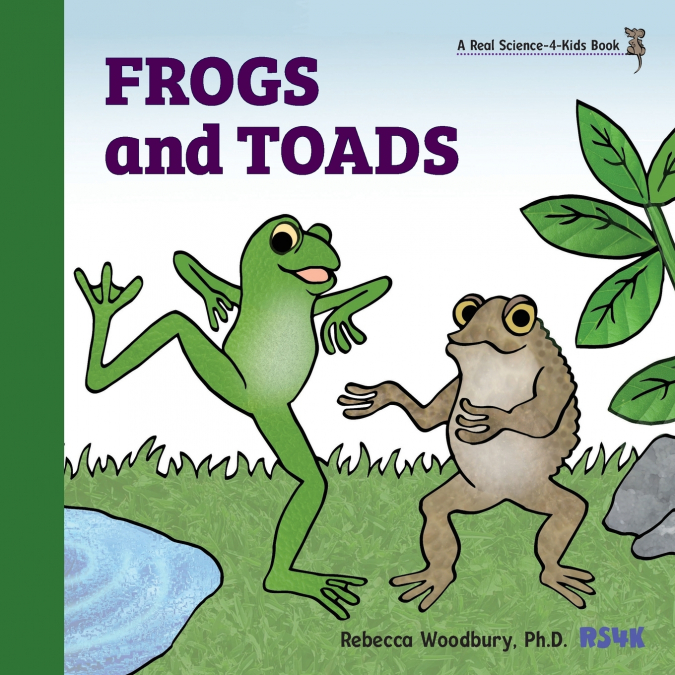
  • Frogs and Toads
    Rebecca Woodbury Ph.D. / Rebecca Woodbury Ph.D. M.Ed.
    Frogs are animals that live on land and in water. Frogs begin their life in water, and as adults some live both on land and in water, while others live only on land. Toads also begin life in water but live only on land as adults. Frogs and toads belong to a group of animals that scientists call Anura, which are part of a larger group called amphibians. The word amphibian means ...
    Disponible

    12,20 €

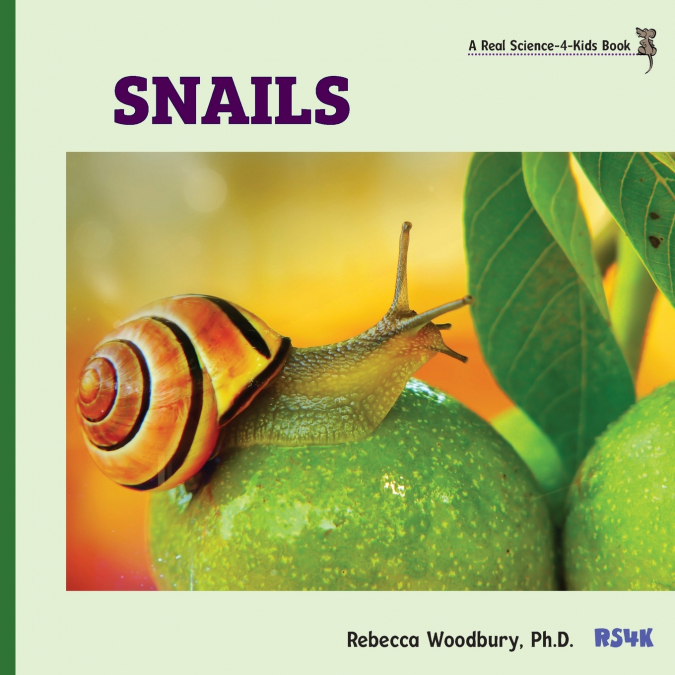
  • Snails
    Rebecca Woodbury Ph.D. / Rebecca Woodbury Ph.D. M.Ed.
    Snails are a type of mollusk. Mollusks are in the scientific group Mollusca and are soft-bodied animals that live in oceans and lakes and on land. The three types of mollusks are gastropods (snails and slugs), bivalves (clams and oysters), and cephalopods (octopuses and squids). All mollusks have organs and a mantle that covers the organs, one or more feet or arms, and a shell ...
    Disponible

    12,20 €

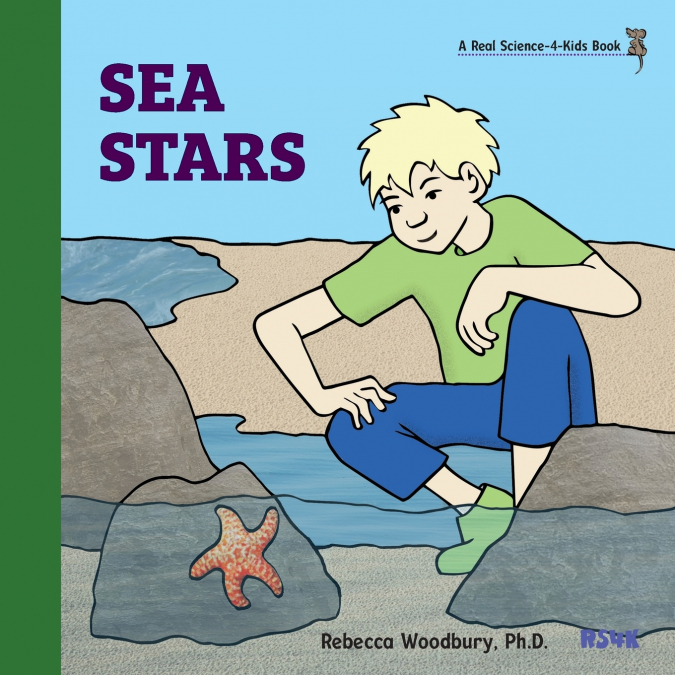
  • Sea Stars
    Rebecca Woodbury Ph.D. / Rebecca Woodbury Ph.D. M.Ed.
    Although sea stars are also called starfish, they are not actually fish but are in a group of animals called echinoderms. The word echinoderm means spiny skin. Sea stars are found only in the salty waters of oceans. Most have five arms, giving them a star-like shape, but some can have up to 24 arms. Sea stars have a flat body with the mouth and little tube feet on the underside...
    Disponible

    12,20 €

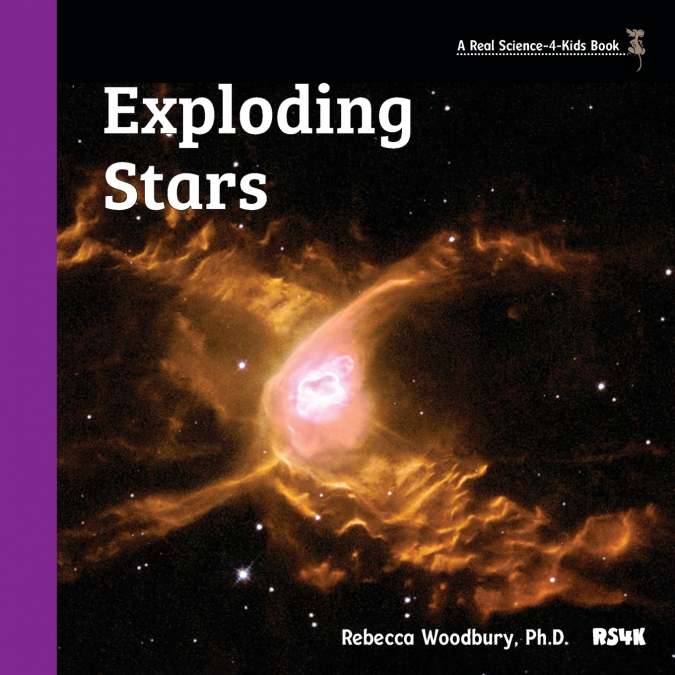
  • Exploding Stars
    Rebecca Woodbury Ph.D. / Rebecca Woodbury Ph.D. M.Ed.
    A star is an object in space made of hydrogen and helium atoms. It makes its own light energy and heat energy when hydrogen atoms combine to make helium. (Atoms are described.) Stars are born inside a huge cloud of gas and dust and die when they run out of the hydrogen they use for fuel. A big star that runs out of fuel ends its life in a huge, very bright explosion called a su...
    Disponible

    12,20 €

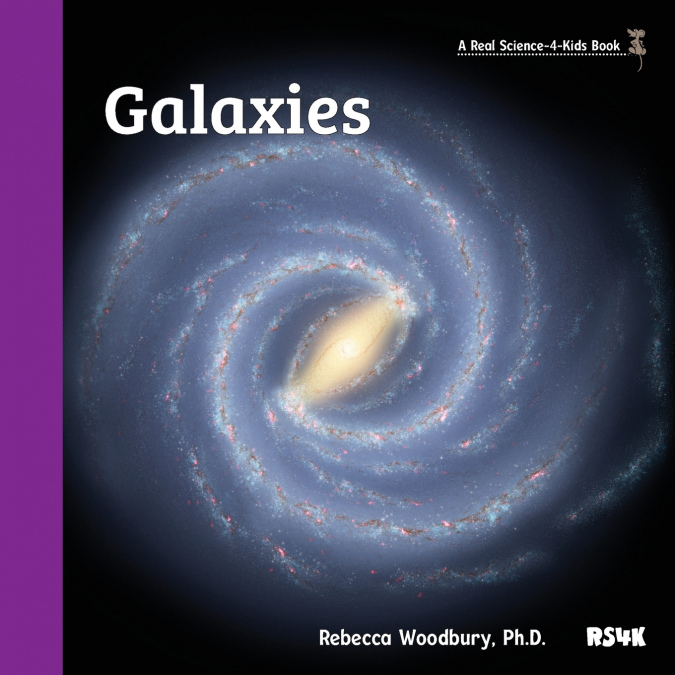
  • Galaxies
    Ph.D. Rebecca Woodbury / Rebecca Woodbury Ph.D. M.Ed.
    A galaxy is a huge group of stars, planets, gas, dust, comets, asteroids, and other objects in space. Our Sun and Earth are part of the Milky Way Galaxy, which is so huge that we cannot travel outside it to see what it looks like. But by studying other galaxies and how stars are arranged in the Milky Way, astronomers can develop an idea of what it looks like. To do this, astron...
    Disponible

    12,20 €

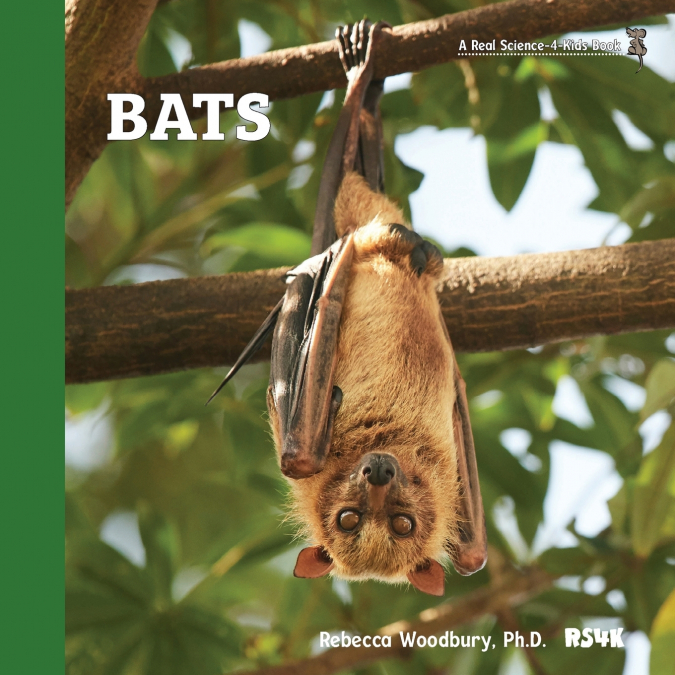
  • Bats
    Rebecca Woodbury Ph.D. / Rebecca Woodbury Ph.D. M.Ed.
    Bats are a type of mammal and the only mammal that flies. Mammals are animals that breathe air, feed milk to their babies, and have fur for at least part of their life. Most give birth to live babies. During the day, bats sleep upside down in protected places. At night some bats fly around catching bugs to eat. Other bats eat fruit, plant parts, and nectar from flowers. Baby ba...
    Disponible

    12,20 €

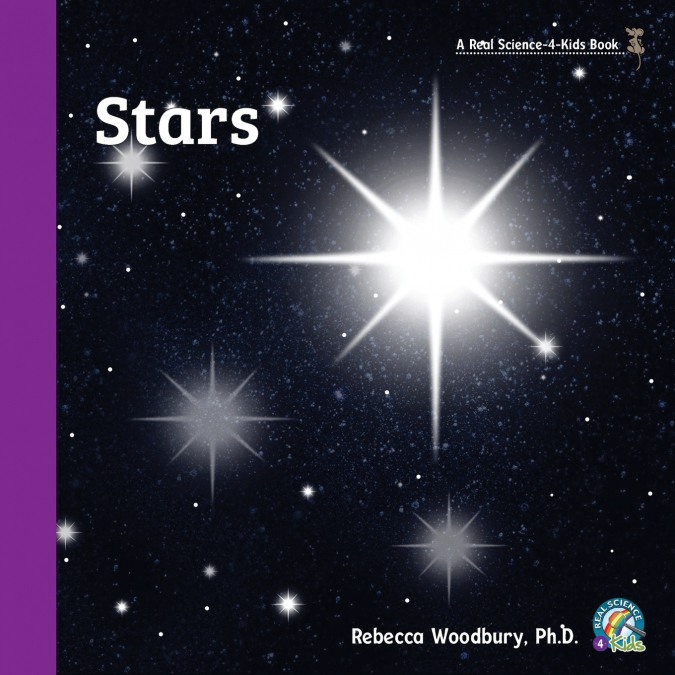
  • Stars
    Rebecca Woodbury Ph.D. / Rebecca Woodbury Ph.D. M.Ed.
    The Sun is a star that gives Earth heat and light. There are even more stars than those we can see in the sky. Stars are objects in space that are made of hydrogen and helium gas that make heat and light energy when hydrogen atoms combine to make helium. (Atoms and matter are defined.) Stars are different sizes, both smaller and larger than the Sun. Proxima Centauri, Alpha Cent...
    Disponible

    12,20 €

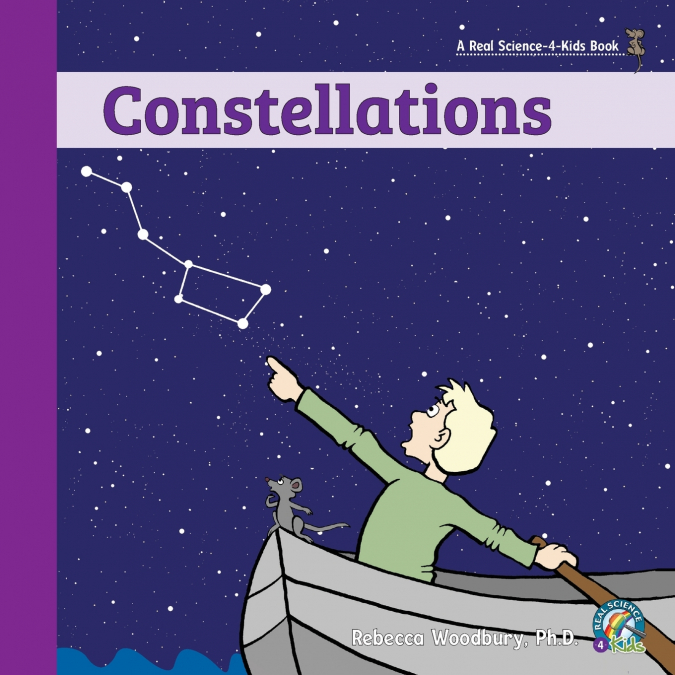
  • Constellations
    Rebecca Woodbury Ph.D. / Rebecca Woodbury Ph.D. M.Ed.
    A constellation is a group of stars that forms a shape and has been given a name. Different constellations can be seen from the Northern Hemisphere and the Southern Hemisphere. From the equator all the constellations can be seen. The Big Dipper and Cassiopeia are Northern Hemisphere constellations, while the Great Square, Pegasus, and the Southern Cross are seen from the Southe...
    Disponible

    12,20 €

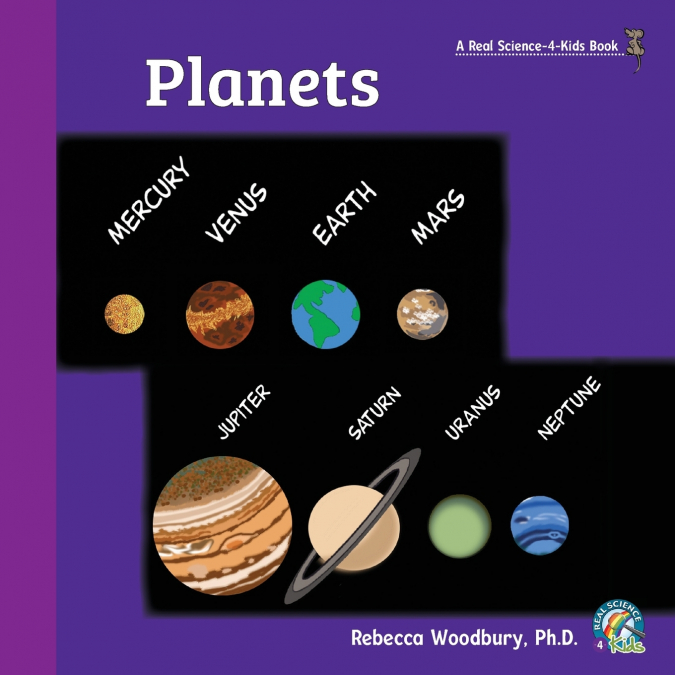
  • Planets
    Rebecca Woodbury Ph.D. / Rebecca Woodbury Ph.D. M.Ed.
    A planet is an object in space that orbits a star (sun), is spherical, and is big enough to have its own gravity. Earth is one of 8 planets that orbit our Sun, with each planet moving in its own orbit. There are two different types of planets: terrestrial and Jovian. Terrestrial planets are Earth-like and made of rock. Mercury, Venus, Earth, and Mars are terrestrial planets and...
    Disponible

    12,20 €

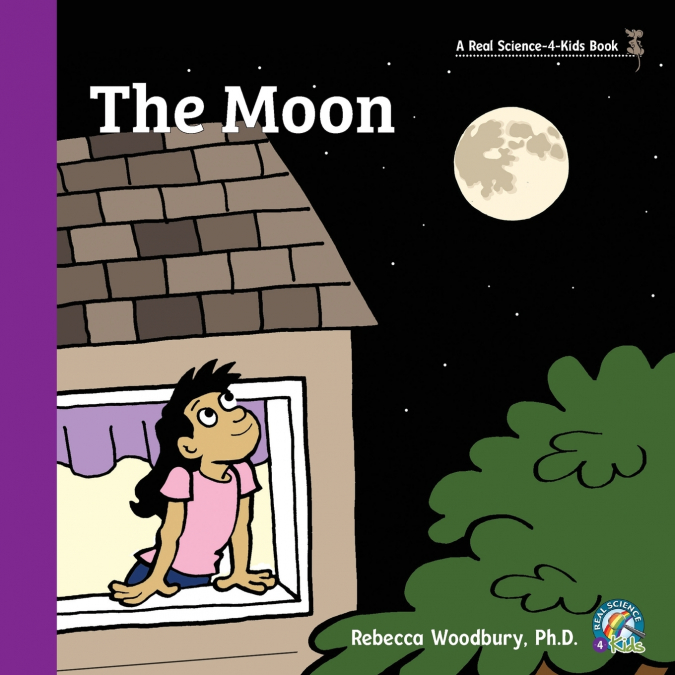
  • The Moon
    Rebecca Woodbury Ph.D. / Rebecca Woodbury Ph.D. M.Ed.
    The Moon is spherical and much smaller than Earth. It is made of rocks and minerals, like Earth. Although it has very little air and no liquid water, it does have some ice. The Moon doesn’t make its own light but rather reflects light from the Sun. The Moon orbits Earth, completing one orbit about every month, and it looks different from day to day as it moves in its orbit arou...
    Disponible

    12,20 €

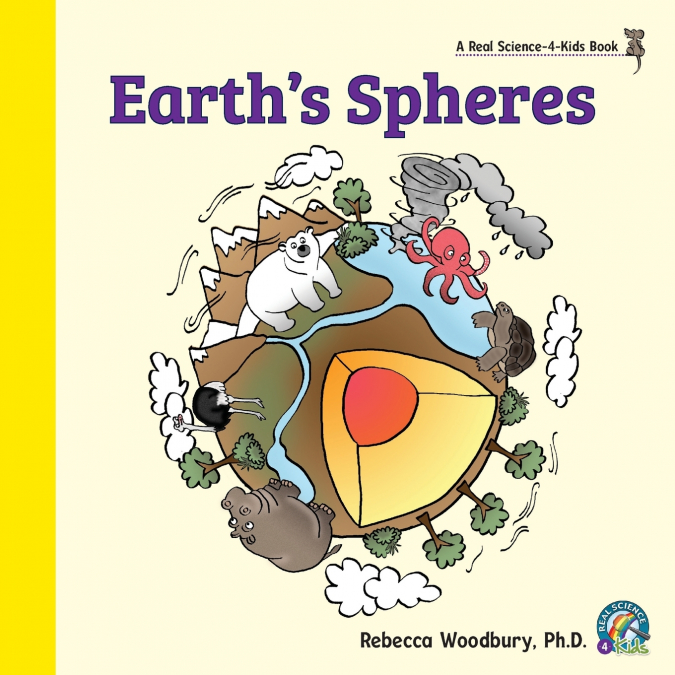
  • Earth’s Spheres
    Rebecca Woodbury Ph.D. / Rebecca Woodbury Ph.D. M.Ed.
    Earth itself is sphere-shaped, and Earth’s spheres are layers surrounding Earth. The geosphere is the part of Earth we live on and includes the rocky crust and the mantle and core below the crust. The hydrosphere is made up of all the water on Earth, including lakes, streams, oceans, ice, rain, and snow. The biosphere is made up of all the living things on Earth. The atmosphere...
    Disponible

    12,20 €

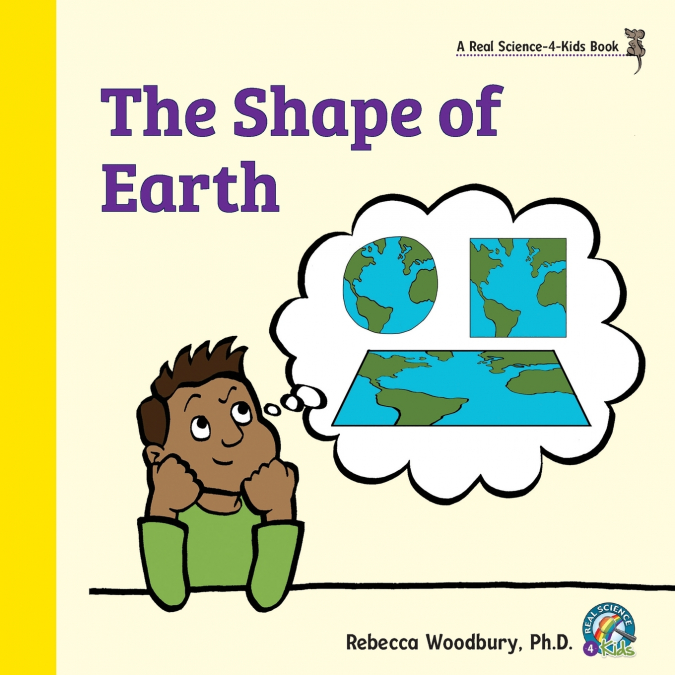
  • The Shape of Earth
    Rebecca Woodbury Ph.D. / Rebecca Woodbury Ph.D. M.Ed.
    In The Shape of Earth young students are prompted to think about the shape of Earth. They learn that Earth seems flat because it is so big and we are tiny in comparison, and therefore we can see only a very small portion of Earth’s surface from the ground. From space we can see that Earth is actually ball shaped. 24 pages with colorful illustrations and photographs. Pronunciati...
    Disponible

    12,20 €

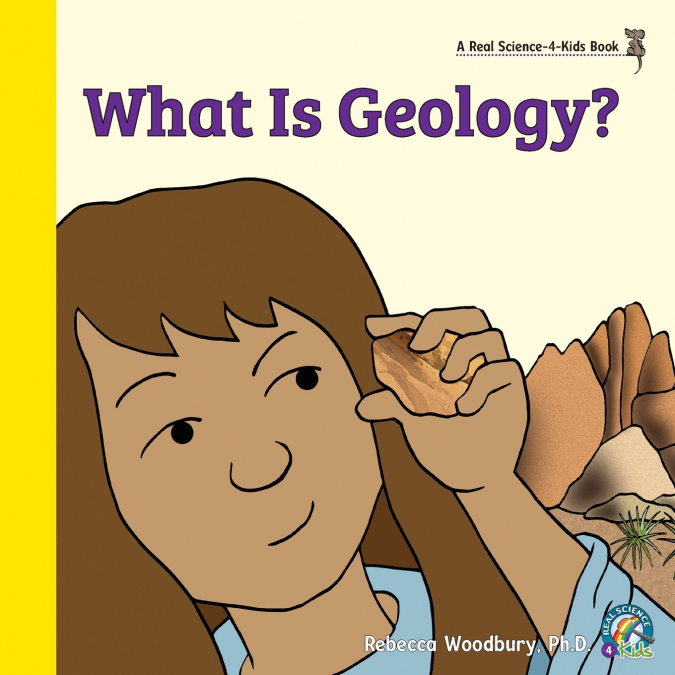
  • What Is Geology?
    Rebecca Woodbury Ph.D. / Rebecca Woodbury Ph.D. M.Ed.
    What Is Geology? introduces the scientific discipline of geology through simply written text and colorful, fun illustrations. With this leveled reader children discover that geologists study Earth to find out how rocks are formed, how mountains are created, and what is under the ocean. Changes to Earth can take long periods of time to occur or can occur quickly. By studying the...
    Disponible

    12,20 €

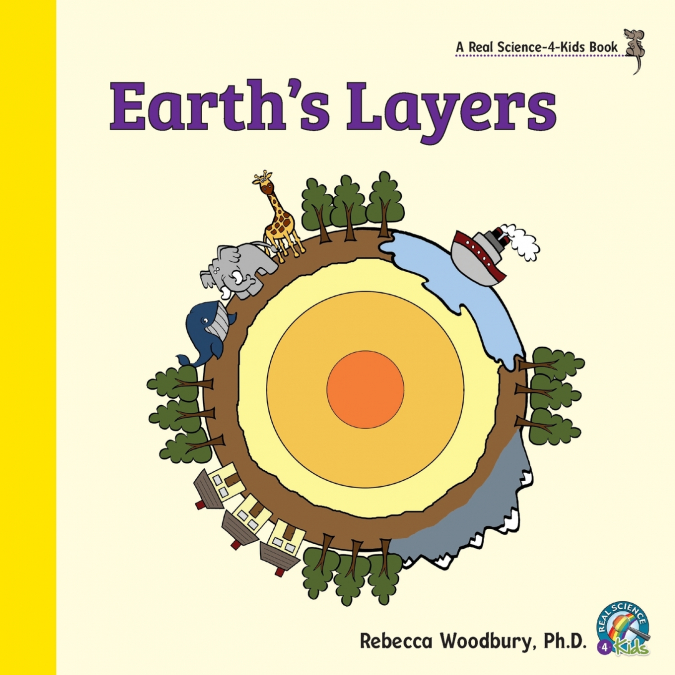
  • Earth’s Layers
    Rebecca Woodbury Ph.D. / Rebecca Woodbury Ph.D. M.Ed.
    In Earth’s Layers young students discover that Earth is a terrestrial planet, one made mostly of rock. The outside of Earth is made of rocks, dirt, oceans, and land. Below the surface, Earth is thought to be made of three main layers, the crust, mantle, and core. The crust is the outer layer of Earth and is made of rocks, minerals, and soil. The mantle is below the crust and is...
    Disponible

    12,20 €

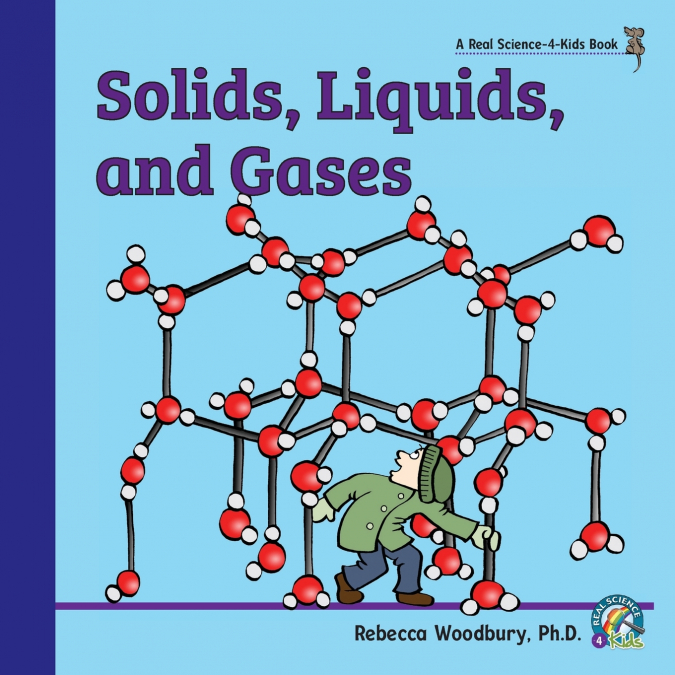
  • Solids, Liquids, and Gases
    Rebecca Woodbury Ph.D. / Rebecca Woodbury Ph.D. M.Ed.
    In the Solids, Liquids, and Gases leveled reader, fundamental science facts in chemistry are explained through easily understood text and colorful illustrations and photographs. Young readers discover that water exists in three states: solid (ice), liquid, and gas (water vapor). Water is made of molecules that in turn are made of atoms. (Atoms and molecules are defined.) Water ...
    Disponible

    12,20 €

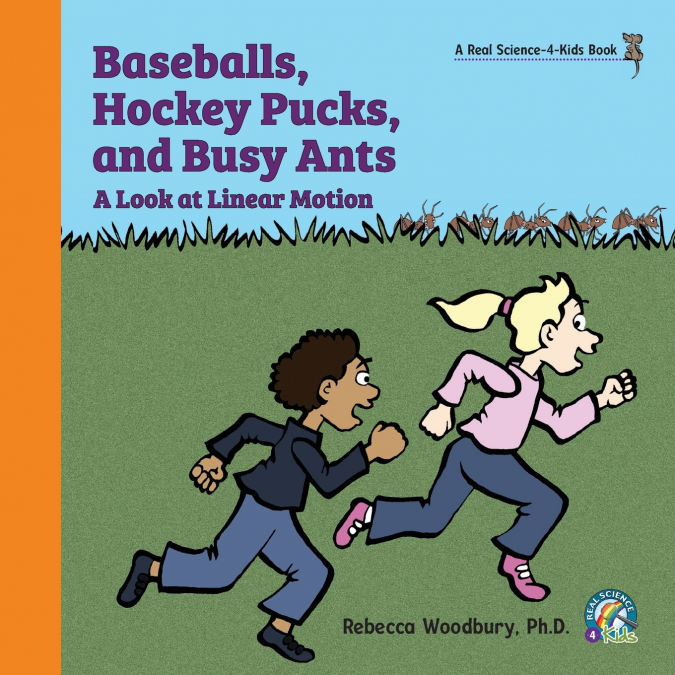
  • A Look at Linear Motion
    Rebecca Woodbury Ph.D. / Rebecca Woodbury Ph.D. M.Ed.
    In the leveled reader A Look at Linear Motion, fundamental scientific concepts in physics are explained through easily understood text and colorful illustrations and photographs. Young readers discover that any object moving in a straight line has linear motion. When moving in a straight line, objects such as hockey pucks, baseballs, and bicycles have linear motion. Living thin...
    Disponible

    12,20 €

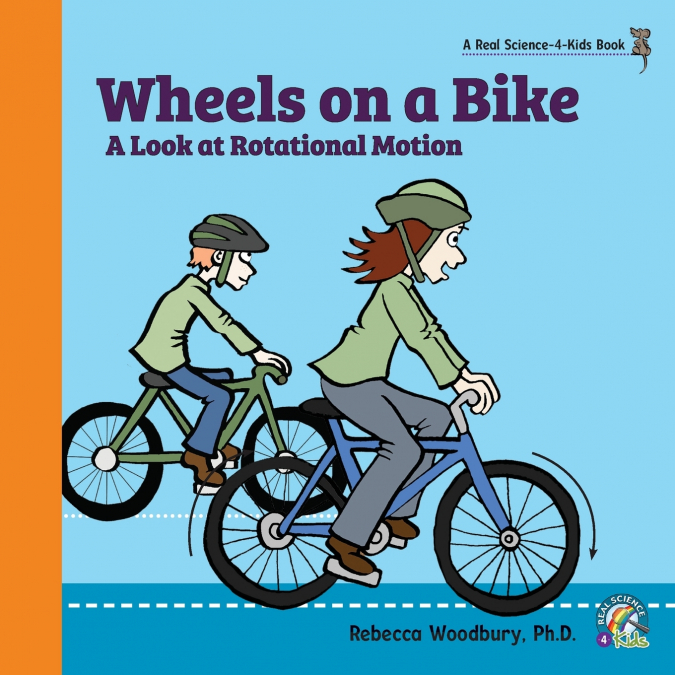
  • A Look at Rotational Motion
    Rebecca Woodbury Ph.D. / Rebecca Woodbury Ph.D. M.Ed
    In A Look at Rotational Motion, fundamental scientific concepts in physics are explained through easily understood text and colorful illustrations and photographs. Young readers learn that any object that is moving in a straight line has linear motion. A bicycle moving in a straight line has linear motion, but because bicycle wheels are round and move in a circle, the wheels al...
    Disponible

    12,20 €

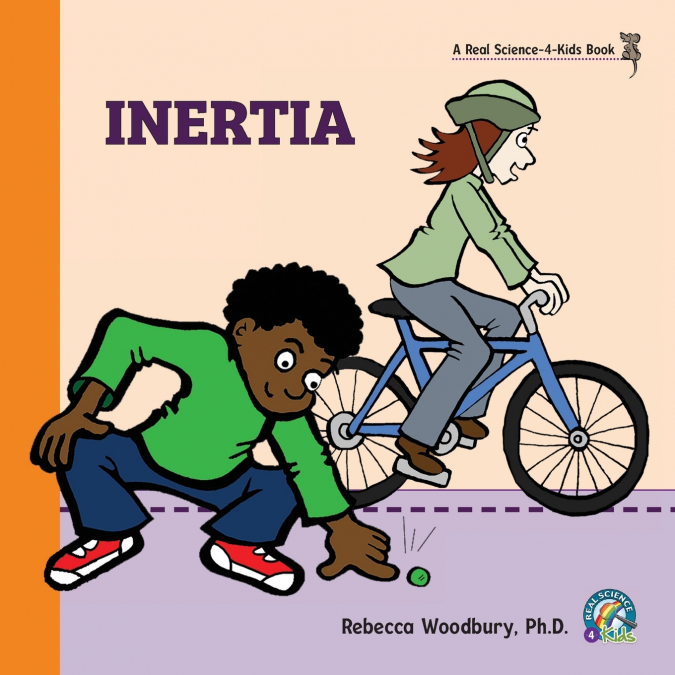
  • Inertia
    Rebecca Woodbury Ph.D. / Rebecca Woodbury Ph.D. M.Ed.
    In the Inertia leveled reader, fundamental scientific concepts in physics are explained through easily understood text and colorful illustrations and photographs. Young readers learn that physics explains that force is any action that changes the location of an object, the shape of an object, or how fast or how slowly an object is moving. The Greek philosopher Aristotle thought...
    Disponible

    12,20 €

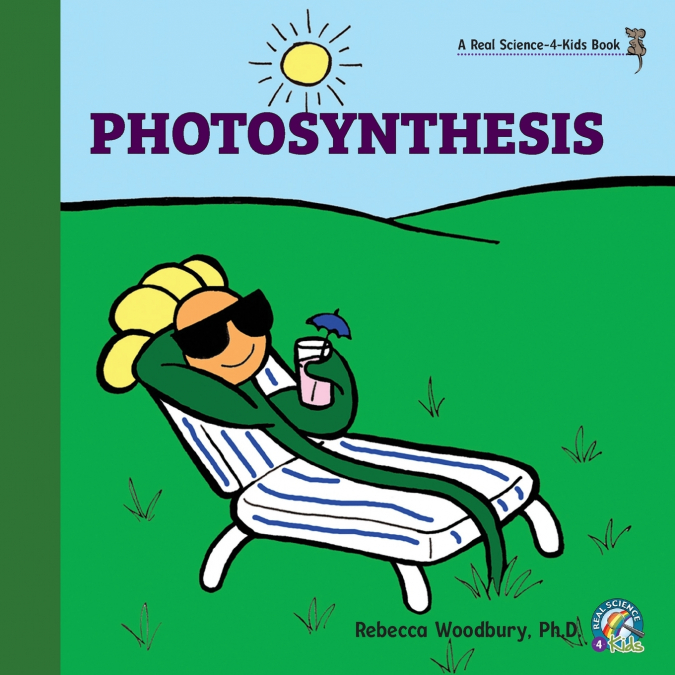
  • Photosynthesis
    Rebecca Woodbury Ph.D. / Rebecca Woodbury Ph.D. M.Ed.
    In the leveled reader Photosynthesis, fundamental science concepts in biology are explained through simply written text and colorful, fun illustrations. Young readers discover that photosynthesis is the process by which plants use sunlight to make their own food. The green parts of a plant are green because they contain a large, special molecule called chlorophyll. The job of c...
    Disponible

    12,20 €

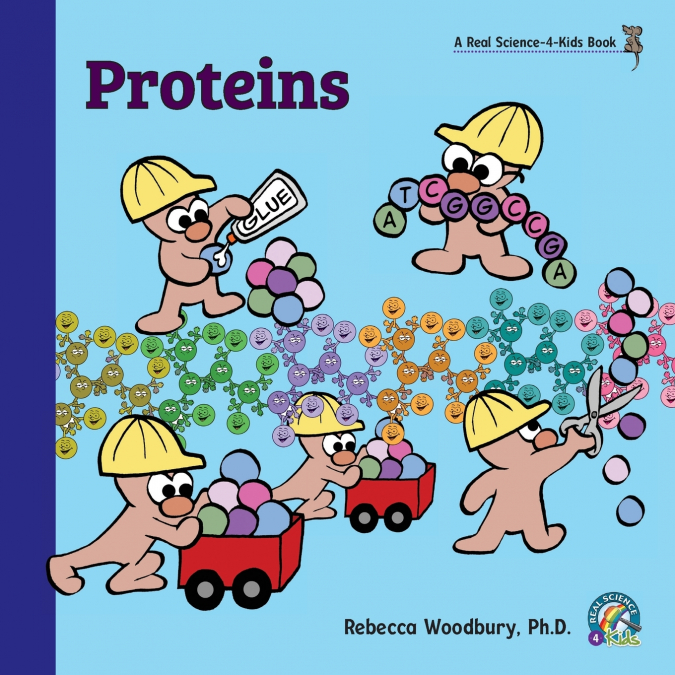
  • Proteins
    Rebecca Woodbury Ph.D. / Rebecca Woodbury Ph.D. M.Ed.
    In the Proteins leveled reader, fundamental science concepts in chemistry are explained through easily understood text and colorful, fun illustrations and photographs. Children will discover that a protein is a polymer-a long chain of atoms and molecules linked together. Atoms are the tiny building blocks that make up everything we touch, taste, smell, and see, and atoms link t...
    Disponible

    12,20 €

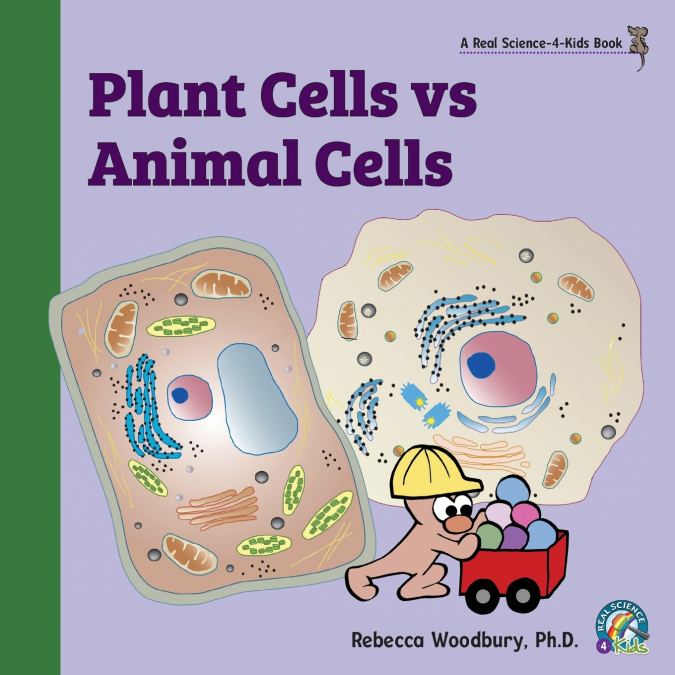
  • Plant Cells vs Animal Cells
    Rebecca Woodbury Ph.D. / Rebecca Woodbury Ph.D. M.Ed.
    In the leveled reader Plant Cells vs Animal Cells, young readers discover that plants and animals have different types of cells. Cells are made of atoms and molecules and do different jobs in living things. Atoms and molecules are defined.Both plant cells and animal cells are surrounded by a cell membrane and have organelles, which are structures inside cells that do different ...
    Disponible

    12,20 €


01 02